
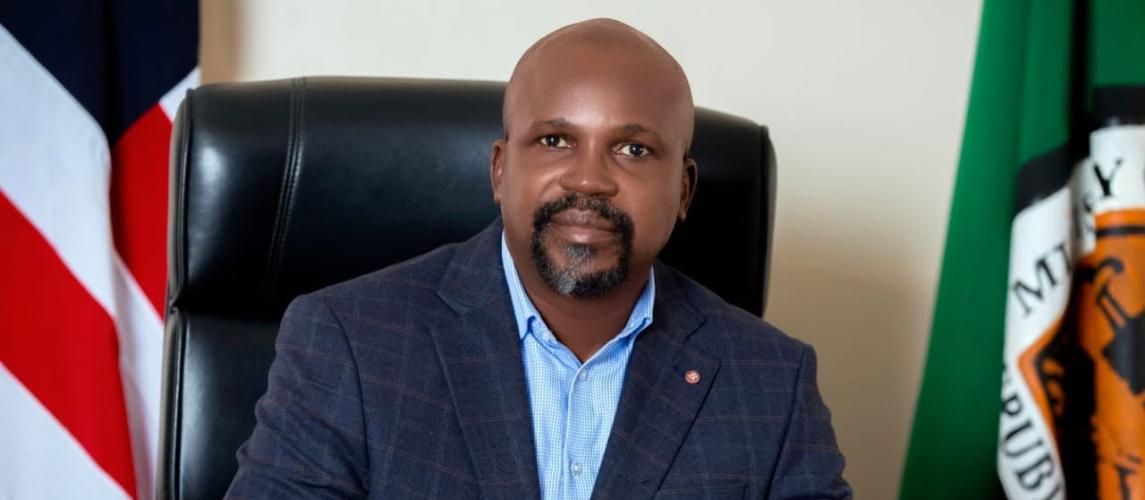
Photo credit: MPW
From Low Wages to Livable Incomes; Public Works Salary Reform Revolutionizes Employees' Welfare
The Ministry of Public Works (MPW) continues to make significant strides in its ongoing administrative and workforce reform agenda, with the latest phase of its salary standardization and enhancement program bringing substantial improvements to the welfare and livelihoods of employees across the institution.
As part of the Ministry's commitment to creating a motivated, productive, and professional workforce, salary adjustments have been implemented for key categories of staff, including Directors, Assistant Directors, Engineers, and other employees whose earnings previously fell below the national minimum wage threshold.
Under the reform initiative, Directors who previously earned gross salaries as low as US$503.25 have been adjusted to a gross salary of US$1,500.00, reflecting the Ministry's recognition of their leadership responsibilities and contribution to national development.
Similarly, Assistant Directors who once earned gross salaries as low as US$237.90 now receive a gross salary of US$1,100.00, significantly improving their earning capacity and overall standard of living. Additionally, BSC holding Engineers have received a very sweeping raise in salary from a gross as low as US$366.00 to a gross of US$800.00, while MSc Engineers were raised to a gross of US$1,000 while those heading units were placed at US$1,100.00; marking a significant shift in their earnings. Prior to this reform, all engineers at the Ministry made the same amount with absolute disregard to qualification.
The reform has also prioritized lower-income employees. Staff members whose earnings fell below the minimum wage threshold have seen their salaries increased from as low as US$182.00 to a minimum gross salary of US$250.00. As a result, no employee at the Ministry of Public Works now earns below US$250.00 gross, marking a historic milestone in the institution's effort to promote fairness, dignity, and economic security for its workforce.
The salary reform program is already having a positive impact on employees and their families. Increased earnings are enabling workers to better provide for their households, invest in their children's education, access healthcare services, and improve their overall quality of life. The initiative is also boosting employees morale, strengthening staff retention, and enhancing productivity across the Ministry.
According to the Minister, “the reform reflects the broader vision of the administration to modernize public sector institutions, improve human resource management, and ensure that employees are adequately compensated for their service to the nation.”
The Ministry of Public Works remains committed to implementing policies that prioritize employees welfare while strengthening institutional efficiency and service delivery. As Liberia continues to pursue infrastructure development and economic growth, the Ministry believes that investing in its workforce is essential to achieving sustainable progress.
The ongoing administrative reforms underscore the Ministry's determination to build a professional, motivated, and resilient workforce capable of driving the country's infrastructure agenda and contributing meaningfully to national development.
